Achieve Fulfillment Counseling
Healing Begins With Connection
Trauma-informed therapy for individuals, families, and couples seeking nervous system regulation, emotional healing, and deeper connection.
WELCOME / About ME
I’m Kathy Dickinson Gray, MA, LPC, LMFT, OTA, and I’ve spent over 30 years supporting people through trauma, anxiety, ADHD, relationship struggles, and emotional overwhelm. My approach is warm, integrative, and grounded in research and neuroscience, using tools that help the mind and body feel safe and supported. Together, we’ll create a space where you can feel understood, find relief, and begin to reconnect with your authentic self.
Kathy Gray MA, LPC, LMFT, OTA
KATHY GRAY MA, LPC, LMFT, OTA Certified EMDR & Imago Therapist, Sensory Process Specialist, Houston Eating Disorder Specialist, ICP Certified IASIS MCN Neurofeedback
Who I Work With
I work with individuals, families, and couples who feel overwhelmed, disconnected, or stuck in patterns they don’t fully understand but deeply want to change.
Many of the people I support are:
- Living with anxiety, emotional overwhelm, or chronic stress
- Struggling with trauma or past experiences that still affect daily life
- Feeling disconnected from themselves or others
- Managing ADHD, focus challenges, or nervous system dysregulation
- In recovery or working through compulsive or addictive behaviors
- Experiencing relationship distress, conflict, or emotional distance
Often, clients arrive feeling exhausted from “holding it together” or frustrated that insight alone hasn’t brought relief. Therapy here is not about fixing you, it is about helping your body and mind feel safe enough to heal. If you’re longing for more calm, clarity, connection, and self-trust, you’re not alone and support is available.
More on Who I Work With
Therapy is tailored to your individual needs, drawing from different approaches based on what will best support you. Our work together is paced with care, collaboration, and respect for where you are in the healing process.
Modalities
Therapy at Achieve Fulfillment Counseling is integrative and trauma-informed. I use approaches that support both emotional healing and nervous system regulation, always paced with care and collaboration.

IASIS Micro Current Neurofeedback (MCN)
IASIS MicroCurrent Neurofeedback is a gentle, non-invasive approach designed to support nervous system regulation and brain flexibility. Clients may notice improvements in areas such as sleep, focus, stress, emotional regulation, and overall well-being.
Learn More
EMDR Therapy
EMDR helps process past experiences and deeply held beliefs that continue to affect present-day emotions and reactions. As distress decreases, clients often experience greater calm, clarity, and resilience.
Learn More
Nervous System & Sensory Regulation
Body and sensory-based strategies help calm the body, reduce fight-or-flight responses, and improve emotional regulation—creating a stable foundation for healing.
Learn More
Imago Relationship Therapy
Imago Therapy supports couples in rebuilding emotional safety, improving communication, and deepening connection. This structured approach helps partners feel heard and understood while reducing conflict and reactivity.
Learn More
Sandtray
Sandtray offers a creative, experiential way to explore feelings, experiences, and patterns that may be difficult to put into words. Images, objects, and the process of creating can help bring forward what is happening internally and provide another pathway for therapeutic processing.

Internal Family Systems (IFS)-Informed
IFS-informed work offers a compassionate way to explore different parts of ourselves and the roles they may have developed to protect us. As these parts are understood with greater curiosity and acceptance, new ways of responding and relating can begin to emerge.
Contact
- 1525 Lakeville Dr, Kingwood, Texas, 77339
- +1-281-223-3421 - Please text, I am unable to answer when in session
- kdgray8@gmail.com
- Monday–Friday | 9:00 AM–6:00 PM
Text or email is the best way to reach me.
Articles






Trauma creates changes in your brain that trigger the fight or flight response (sympathetic mode) and freeze or fold response (survival mode). These responses can become so second-nature that stress hormones are released even without the stimulus of a threat in your environment. Over time, this process can lead to neurological changes and nervous system dysfunction.
Read More
Eating disorders are pathological conditions characterized by disturbed eating behaviors that affect mental and physical health.
Read More
Because having an eating disorder is a way to cope with emotional challenges, it isn’t uncommon to have Co-Occurring Disorders. What this means is you may be suffering from one or more psychological disorders at one time.
Read MoreNervous System Education
Understanding how the nervous system influences health, healing, and regulation is foundational to our work at Achieve Fulfillment Counseling. Below you’ll find educational resources designed to support awareness, regulation, and whole-person healing.

Bone Health and Nervous System Regulation
Bone health is influenced by many factors, including movement, nutrition, hormones, sleep, and overall health. This educational handout explores supportive lifestyle practices and the role nervous system regulation can play in overall well-being, including the Body-Brain Sequence™ as a practical regulation tool. Educational use only. Not a substitute for medical evaluation or treatment.
Learn More
Hashimoto’s & the Nervous System
Hashimoto’s thyroiditis can affect much more than how someone feels physically. Fatigue, brain fog, sleep disruption, stress, and changes in energy can also affect emotional well-being and daily life. This educational resource explores nervous system regulation as one supportive part of whole-person well-being while living with Hashimoto’s, alongside appropriate medical care, nutrition, sleep, and other individualized supports. Educational use only. Not a substitute for medical evaluation or treatment.
Learn More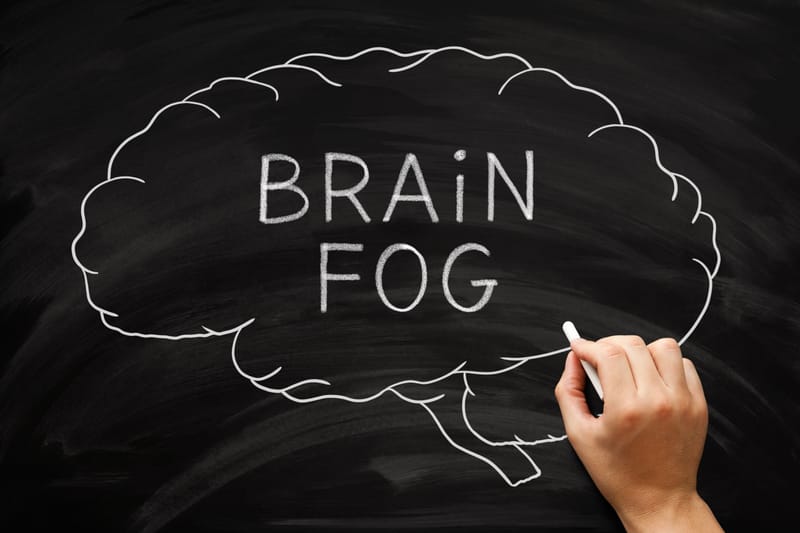
Brain Fog & Nervous System Overload
Brain fog, word-finding difficulty, and cognitive slowing can occur alongside chronic stress, sleep disruption, trauma, sensory overload, and other physical or emotional factors. This educational resource explores how nervous system regulation may support attention, clarity, and overall well-being, alongside appropriate medical evaluation, nutrition, rest, and individualized support. Educational use only. Not a substitute for medical evaluation or treatment.
Learn More
Inflammation, Detoxification & the Nervous System
Chronic stress can affect many systems in the body, including digestion, sleep, immune function, and overall well-being. This educational resource explores the relationship between stress, nervous system regulation, inflammation, and the body’s natural processes for maintaining balance and health, alongside appropriate medical care and individualized support. Educational use only. Not a substitute for medical evaluation or treatment.
Learn More
Digestion, Liver Function & the Nervous System
Stress and nervous system activation can affect digestion, appetite, and overall physical well-being. This educational resource explores the connection between stress, nervous system regulation, digestive health, and the body’s natural processes for maintaining health. Nervous system regulation can be one supportive part of whole-person care alongside nutrition, healthy lifestyle practices, and appropriate medical evaluation and treatment. Educational use only. Not a substitute for medical evaluation or treatment.
Learn More
🔹 Heart Health & the Nervous System
Stress and the autonomic nervous system are closely connected with how the body responds physically and emotionally. This educational resource explores the relationship between stress, nervous system regulation, and overall cardiovascular well-being. Nervous system regulation can be one supportive part of whole-person wellness alongside healthy lifestyle practices and appropriate medical care. Educational use only. Not a substitute for medical evaluation or treatment.
Learn More
Worksheets & Tools
Practical worksheets and tools to support nervous system regulation, self-awareness, and skills you can use in everyday life.
Learn MoreFoundational Supports for Whole-Person Well-Being
Our physical and emotional well-being are deeply connected. Nutrition, sleep, movement, stress, and other lifestyle factors can all influence how we feel and function. These educational resources explore foundational areas of whole-person well-being and are intended to complement—not replace—appropriate medical, nutritional, or mental health care.

🥦 Food as Foundational Support
What we eat can influence energy, mood, concentration, and overall well-being. This resource explores the role of balanced nutrition as one part of supporting the body and brain. For educational purposes only and not intended as individualized nutritional or medical advice.
Learn More
🌿 Traditional Herbal Support
Herbs have been used traditionally across cultures as part of approaches to health and well-being. This resource provides general education about traditional herbal practices and their place within a broader whole-person perspective. Herbal products can interact with medications and may not be appropriate for everyone. Consult an appropriate healthcare professional before using them.
Learn More
💊 Key Nutrients & Vitamins (Education Only)
Vitamins and minerals play important roles in energy, brain function, and overall health. This resource provides general education about key nutrients and their role in whole-person well-being. Individual needs vary, and supplements can interact with medications or health conditions. Consult an appropriate healthcare professional for individualized guidance.
Learn More
🧠 Gut Health as a Central Hub
Digestive health and overall well-being are closely connected. This resource explores general lifestyle factors that can support digestive health, including nutrition, movement, sleep, and stress management. Digestive symptoms can have many causes. This information is educational and is not a substitute for individualized medical or nutritional care.
Learn MoreFORMS

ICP IASIS MCN Neurofeedback
EMDR Certified
Specialist in Sensory Processing/Self-regulation
Houston Eating Disorder Specialist
Certified IMAGO Relationship and Couples Therapy
*1525 Lakeville Drive, Suite 114
Kingwood, Texas 77339
Phone: 281-223-3421
Email: kdgray8@gmail.com
kathygrayachievefulfillment.com
Cancellation Policy
Appointments missed or cancelled with less than 24 hours notice will be charged at the full scheduled session fee. Please do not rely on email as sufficient notice for cancelling appointments. Be sure to give me a call or text.
I provide you with a Receipt For Service which you can then file with your insurance company to be directly reimbursed. My services are covered in part by most health insurance plans - I would be an "Out-of-Network Provider" on your plan. My credentials for coverage are Licensed Professional Counselor and Licensed Marriage & Family Therapist.
Session Fee: $180
Insurance: Out-of-Network Provider
Please click on the following and initial or sign:
Informed Consent and Practice Policies for Office and Online Therapy
LITIGATION POLICY AND FEES FOR COURT-RELATED SERVICES
Emergency Care
RELEASE OF INFORMATION
Events
CARIBBEAN "LOVE THAT WORKS AT SEA" Building Safety & Trust Through Conscious Connection January 9–16, 2027 *7 Nights | Roundtrip Galveston, Texas *Norwegian Viva LOVE THAT WORKS AT SEA Sobriety restores clarity. But thriving requires connection. While substance use may end, old reactive patterns can remain — quietly affecting relationships, self-trust, and emotional safety. *Love That Works: The 12 Foundation Stones*, rooted in Imago Relationship Therapy and supported by trauma-informed regulation tools, offers practical ways to move beyond old patterns and build lasting connection. The Body-Brain Sequence™ (BBS™) will be introduced as a simple regulation practice to support greater awareness, presence, and choice. Through guided exercises, experiential learning, reflection, and community, you’ll explore ways to strengthen emotional safety, repair instead of react, and reconnect with yourself and others — all within a vibrant sober travel environment. You’ll leave not only refreshed, but with practical tools to support greater connection in your everyday life. ### GUEST SPEAKERS **Saundra Dickinson, LPC, LMFT, NCC** Certified Imago Relationship Therapist and Workshop Presenter, Certified EMDR Therapist, and author of *Love That Works*. For more than 30 years, Saundra has worked with couples, families, and individuals, helping people restore connection and strengthen their most important relationships. **Kathy Gray, LPC, LMFT, OTA** Certified Imago Relationship Therapist, Certified EMDR Therapist, Consultant, and Presenter. Kathy presents locally and internationally on addiction, eating disorders, PTSD, and trauma, integrating nervous system regulation, trauma-informed therapy, and practical communication skills to help people respond differently and build sustainable connection. **Kristi L. Brown, BA, MA, Certified Mediator, Life Coach** For more than 30 years, Kristi has worked with individuals and families navigating depression, anxiety, addiction, confrontation, and conflict. She brings extensive experience supporting Imago Relationship Workshops and helping families navigate difficult circumstances while honoring each person’s unique perspective. ### CRUISE ITINERARY **Saturday, January 9** — Galveston, Texas | Depart 4:00 PM **Sunday, January 10** — At Sea **Monday, January 11** — Cozumel | 8:00 AM–5:00 PM **Tuesday, January 12** — Roatán, Bay Islands | 8:00 AM–5:00 PM **Wednesday, January 13** — Harvest Caye | 7:00 AM–5:00 PM **Thursday, January 14** — Costa Maya | 7:00 AM–1:00 PM **Friday, January 15** — At Sea **Saturday, January 16** — Galveston, Texas | Arrive 8:00 AM ### TOUR OPTIONS Depending on availability, excursion options may include swimming with dolphins, kayaking, paddleboarding, snorkeling, ziplining, catamaran excursions, submarine tours, beautiful beaches, and historical and cultural tours. ### FREESTYLE PLUS **$50 per person, per day** Premium perks include unlimited Starbucks, unlimited Wi-Fi, 50% off additional specialty dining, and prepaid service charges. ### ABOUT IN THIS LIFE / TRAVEL SOBER In This Life / Travel Sober provides sober travelers with a welcoming environment to enjoy travel, connect with like-minded people, and experience speakers and workshops while enjoying the benefits of cruise and land vacations. ### BOOKING INFORMATION **In This Life Travel, LLC / Travel Sober** **Phone:** (805) 927-6910 **Website:** travelsober.com **Email:** [inthislife@aol.com](mailto:inthislife@aol.com) **Due at time of booking, per person:** $250 cruise deposit $280 non-refundable administrative fee Exclusive booking arrangements provided by In This Life Travel, LLC.Read More
- Date:01/09/2027 12:01 AM - 01/16/2027 12:01 AM
- Location Caribbean Cruise Galveston/Galveston (Map)